Mold Removal in Gulfport, FL
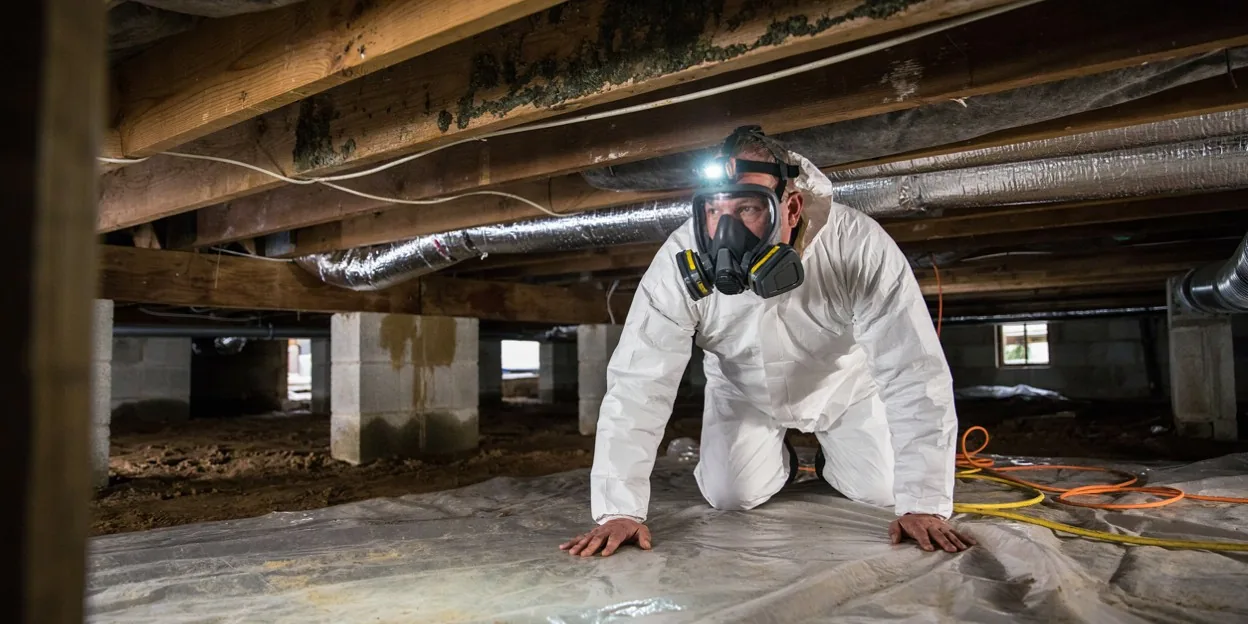
Gulfport is a small waterfront city of about 12,000 people wedged between St. Petersburg and Boca Ciega Bay, with a 1930s casino ballroom on the water, a 1920s to 1950s mix of frame cottages and block ranches, and streets that end at the bay. Much of the city sits only a few feet above the water, and the low blocks near Shore Boulevard and the marina flood when the bay rises.
Helene sent surge water through those blocks on September 26, 2024, and Gulfport's own city site still carries a hurricane recovery section a year later. The frame cottages are the hard case: wood siding, wood floors over a crawl space, and plaster walls hold salt water in a way block does not, and a cottage that was pumped out can read wet at the sill plate for months.
Homeowners in Gulfport who call us reach an independent mold provider who works in the area. That provider reads the walls and does the work.
Gulfport cottages, Gulfport ranches, and the jobs that follow a surge
A frame cottage that took bay water calls for mold removal that handles plaster and lath wall by wall rather than cutting it like drywall. A block ranch near the marina that flooded throughout is whole-home mold remediation work. A house that was dried and rebuilt last winter and smells again this spring brings calls for mold odor removal, and the search usually starts at the salt left in the block.
Who handles the permit when a Gulfport wall goes back
Gulfport runs its own building department, reached through the City of Gulfport site, and the rebuild after removal needs a permit from the city when it replaces drywall, plumbing, or wiring. The provider who rebuilds pulls it. For the age and construction of a particular block, the Gulfport Historical Society keeps the city's story, including the fishing village years that explain why so many houses sit so close to the water.
Call (727) 382-7755 now and tell us what you see in your Gulfport home.
Services Available in Gulfport
Mold Removal
Growth on drywall after surge water, a supply-line leak, or a window that took sideways rain: room sealed, wet board cut at the meter line, framing cleaned and dried.
Black Mold Removal
A dark patch on a bedroom wall or closet ceiling handled by how far the water traveled, not by its color: containment, porous material out, leak fixed before closing.
Whole-Home Mold Remediation
A house that took Helene surge or sat shut for a season, mapped room by room, with every wet wall, cabinet, and floor handled as one project under one scope.
HVAC Mold Cleaning
Coil, drain pan, blower, and condensate line cleaned or replaced when the air handler in a St. Pete closet or garage sweats through a nine-month cooling season.
Bathroom Mold Removal
Growth behind a vanity, under a shower pan, or on a plaster ceiling with no fan in a 1920s bungalow bath, removed with the leak or the venting fixed first.
Attic Mold Remediation
Growth on roof decking under shingles Milton lifted, or around a sweating duct in a block ranch attic, cleaned once the roof and insulation are dealt with.
Mold Odor Removal
A musty smell in a house that looks fine, traced to the wet material under a floor, behind a cabinet, or inside a block wall, then removed and treated.
Mold Damage Repair
Drywall, baseboard, cabinet bottoms, and ceilings put back after removal, once the slab and framing read dry and the water source is repaired.